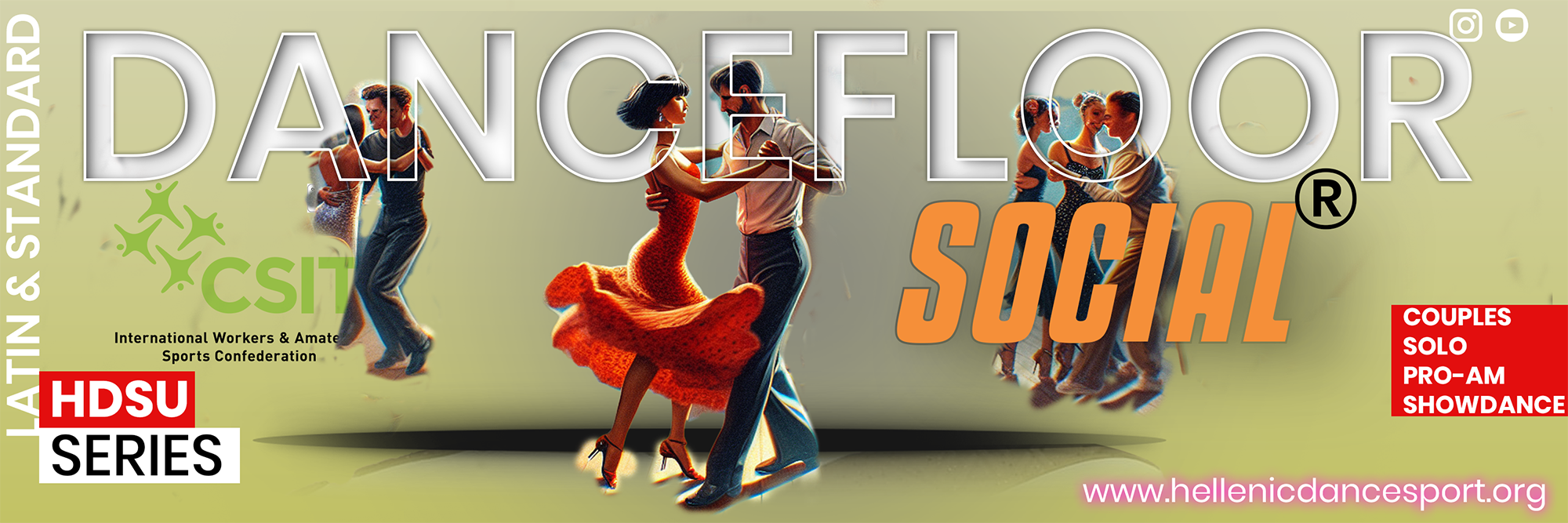
Social Dancing: A Comprehensive Guide for Beginners
What is Social Dancing?
- Social dancing is a form of dance that involves moving to music in a couple or group setting.
- It's a way to connect with people, express yourself, and have fun.
This guide is designed for complete beginners and those looking to refresh their skills. It covers key topics to help you start your social dancing journey with confidence:
- Essential Skills: Learn the fundamental skills needed to get started.
- Popular Dance Styles: Get introduced to dance styles suitable for newcomers.
- Taking the First Steps: Receive tips on how to get onto the dance floor.
- Finding Classes: Discover how to locate social dancing classes near you.
Types of Social Dances
There are two main categories of social dances:
- Spot or Slot Dances: These are performed in one area, making them suitable for crowded spaces like nightclubs. Examples include Salsa, Cha-Cha, West Coast Swing, and Blues.
- Progressive Dances: These involve couples moving around the dance floor in an anti-clockwise direction and require more space. Examples include Traditional Argentine Tango, Country Two Step, and Social Waltz.
Social dancing differs from ballroom dancing, as it is less rigid and more focused on adapting to the environment.
Physical Benefits
- Improves coordination, strength, and flexibility.
- Low-impact activity that's easy on joints.
Mental Benefits
- Acts as a stress-buster.
- Boosts confidence and self-esteem.
- Keeps the brain active and can improve memory and problem-solving skills.
Social Benefits
- Excellent way to meet new people and make friends.
- Helps you become part of a vibrant community.
Key Principles of Social Dance Roles
The selected text explains the importance of leading and following in social dancing, emphasizing that both roles are active and require a good connection between partners.
- For Leaders: Your role is to guide your partner using clear body language and connection, not force.
- For Followers: You should actively respond to the leader's cues, staying in the moment rather than anticipating moves.
- For both: A strong connection is essential. It's a conversation through movement that requires a balance—neither too rigid nor too loose—for a smooth, enjoyable dance.
Rhythm and Timing in Social Dancing
- Definition: It's not just about moving to the music, but feeling the beat to guide your movements and stay in sync with your partner.
- How to Improve:
- Listen carefully to the music and identify the beat.
- Most social dances use a 4/4 time signature (four beats per measure). Practice counting these beats and moving to them.
- Musicality:
- This is the skill of interpreting different elements of the music, like changes in melody or intensity.
- Reflect these interpretations in your dance moves to add your style and flair.
Body Awareness and Posture in Social Dancing
- Proper Posture: Crucial for social dancing as it promotes confidence, easier movement, and injury prevention.
- Stand tall with your shoulders back and your core engaged.
- Maintains balance and control while moving.
- Body Awareness: Understanding and controlling how your body moves.
- Be mindful of arm, hand, and foot positions.
- Be aware of your position relative to your partner.
- Development:
- These skills require time and practice.
- Social dancing classes are an excellent way to improve in a supportive environment.
Popular Social Dance Styles for Beginners
Ballroom Dancing
- Waltz and Tango are ideal for beginners due to their slow tempo and structured movements.
- These dances focus on technique and posture, providing a strong foundation for other dance styles.
- Ballroom dancing can also boost your confidence on the dance floor.
Latin Dances
- Cha cha, merengue, and Salsa are great options for new dancers.
- They are known for their simple, repetitive patterns, such as bachata's four-step basic and merengue's side-to-side movement.
- Latin dances are excellent for improving rhythm and body movement and are very social.
No matter which style you choose, the key is to have fun and not take yourself too seriously.